AI and Cloud: From Simply Hosting to Strategic Architecture with Inference

Em Blog Ai Cloud Main Image

Cloud evolved from packaging and elasticity toward stateless, autoscaling, and managed building blocks that reduced operational effort. AI is now shaping the next phase of that evolution, turning cloud into an AI runtime platform where hardware, scheduling, data movement, and governance are designed around latency and token-based economics—not just workload size and power. Inference, running

From AI Promise to Performance: Top Six B2B AI Myths to Overcome in 2026

Ai Myths Cover

Artificial intelligence (AI) dominated 2025—from boardroom strategies to campaign brainstorms—and it’s reshaping how every business operates. Across industries, we’ve seen remarkable innovation, but also some recurring assumptions about what AI can (and can’t) do. Like every new wave of technology, AI adoption brings learning curves and course corrections. Our new eBook, Top Six B2B AI

Smaller, Smarter, Cheaper: Why Compact AI Models Are Gaining Ground

Em Blog Small Ai Main Image

Until recently, “more” was the default answer to almost any artificial intelligence (AI) challenge. More data, more parameters, more compute. But now, many organizations are realizing that raw scale comes with a price: spiraling infrastructure costs, slower inference times, and rising energy use. That raises a question: Do we need a 70-billion-parameter model to summarize

AI in the Fast Lane, AI Governance Stuck in Traffic

Em Blog Ai Governance Main Image

Artificial intelligence (AI) is accelerating down the enterprise highway. But according to new research, governance is idling in the slow lane, and the gap is already raising breach costs, fueling shadow AI adoption—when employees use generative AI tools outside official oversight—forcing regulators to wave the caution flag. Global average data breach costs fell in 2025

From Jack-of-All-Trades to Master of One: The Shift to Industry-Specific AI

Em Blog Slm Main Image

The artificial intelligence (AI) revolution began with general-purpose models—the Swiss Army knife of intelligence. Handy, flexible, and able to do a bit of everything, they’ve answered customer questions, written and debugged code, and even nailed a wedding toast or two. Impressive? Absolutely. But when precision and compliance are on the line, these jack-of-all-trades models aren’t

As Borders Become Data Barriers, Sovereignty Rewrites the Rules of AI Innovation

Em Blog Data Sov Ai

Data fuels our global digital economy. As AI and analytics applications proliferate, the value of critical data continues to rise, along with the urgency to protect it. Governments around the world are responding. Most nations now enforce data sovereignty laws that regulate how digital information is collected, processed, and stored within their borders. The result

The Power Behind AI

Em Blog Ai Power Main Image

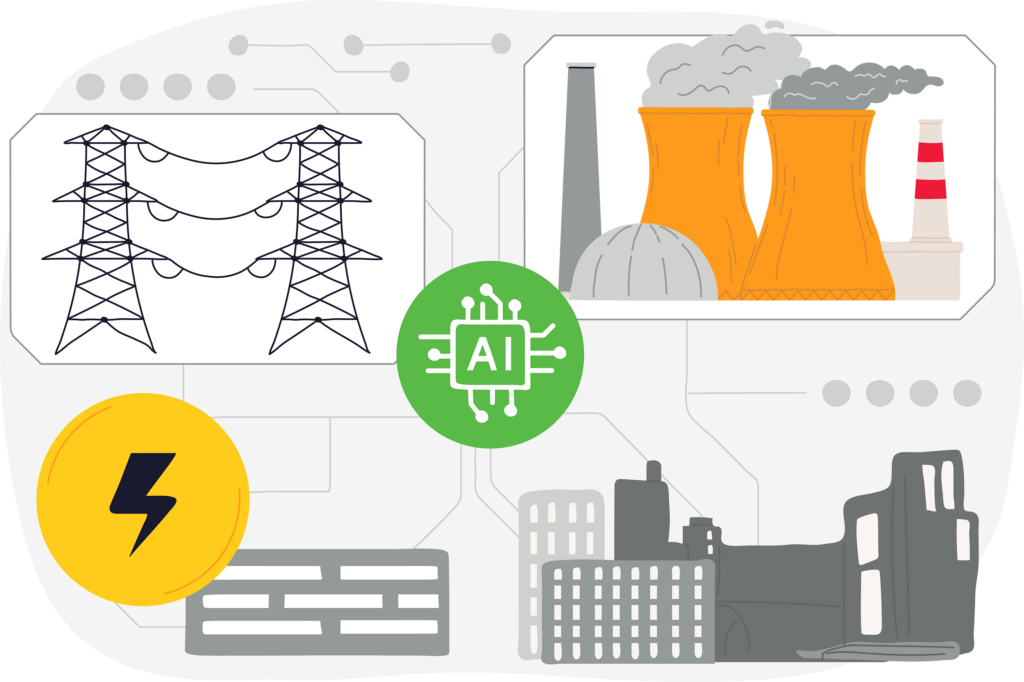
How energy innovation is reshaping infrastructure for AI workloads AI is redrawing the global energy and infrastructure map. In the past year alone, energy demand from hyperscale AI data centers has surged so dramatically that innovators, operators, and governments are turning to unconventional solutions: redeveloping the site of America’s worst nuclear accident into an energy

The AI-Optimized Partner Ecosystem: Smarter Alliances, Bigger Wins

Em Blog Ai Partner Eco Main Image

AI is reshaping how sales, alliance, and partner program leaders drive growth Artificial intelligence (AI) technology is no longer available to only the lucky few. It’s now integrated into nearly every aspect of business operations across various industries, from customer service and marketing to data analysis and supply chain management, impacting how companies operate and

10 Ways to Leverage AI Personalization for a Competitive Advantage

Em Blog Ai Personalization

AI personalization is transforming business operations by optimizing processes and delivering tailored experiences. By analyzing vast amounts of data in real time, AI allows companies to customize everything from customer interactions to internal workflows based on individual behaviors and preferences. This adaptability makes businesses more agile, responsive, and innovative, providing a crucial edge in a